Last Updated: 5th August, 2024 | 04:45:46 PM
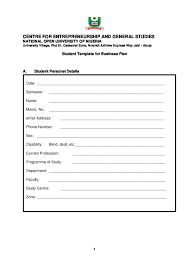
Format for NOUN Business Plan-GST302

Creating a business plan presentation for NOUN involves structuring key elements that effectively communicate the business strategy, goals, and vision. Here’s a suggested outline for the presentation:
1. Title Slide
- Business Name: NOUN
- Tagline: (e.g., "Connecting People through Learning")
- Your Name and Position
- Date
2. Executive Summary
- Brief overview of the business
- Mission statement
- Key objectives and goals
3. Company Description
- History and background of NOUN
- Business structure and ownership
- Location and facilities
4. Market Analysis
- Industry overview
- Target market and customer segments
- Market needs and trends
- Competitive analysis
5. Products and Services
- Description of products/services offered by NOUN
- Unique selling proposition (USP)
- Pricing strategy
6. Marketing and Sales Strategy
- Marketing plan
- Sales strategy and process
- Customer acquisition and retention strategies
7. Operations Plan
- Business model and operational workflow
- Key suppliers and partners
- Technology and equipment
8. Management Team
- Organizational structure
- Key team members and their roles
- Advisory board (if any)
9. Financial Plan
- Revenue model
- Key financial projections (sales, expenses, profits)
- Break-even analysis
- Funding requirements and use of funds
10. Risk Analysis
- SWOT analysis (Strengths, Weaknesses, Opportunities, Threats)
- Risk management strategies
11. Conclusion
- Recap of key points
- Call to action (e.g., investment request, partnership proposal)
12. Q&A
- Open the floor for questions
Design Tips
- Visuals: Use graphs, charts, and images to make data engaging.
- Clarity: Keep text concise and to the point.
- Consistency: Use a consistent color scheme and font throughout the presentation.
- Practice: Rehearse your presentation to ensure smooth delivery.
Would you like help developing content for any specific sections?
ChatGPT
Creating a detailed business plan for NOUN requires a structured document that covers all critical aspects of the business. Here’s a comprehensive format for the NOUN business plan:
1. Executive Summary
- Business Name: NOUN
- Mission Statement: A concise statement of the business’s mission.
- Vision Statement: The long-term vision of NOUN.
- Business Objectives: Short-term and long-term goals.
- Summary of the Business Plan: Brief overview of the products/services, market, and financial projections.
2. Company Overview
- Business Description: Detailed description of the business, including the industry and nature of the business.
- History: Background and founding details.
- Business Structure: Legal structure (e.g., sole proprietorship, partnership, corporation).
- Location: Physical and online presence, if applicable.
- Key Milestones: Important achievements and developments to date.
3. Market Analysis
- Industry Overview: Description of the industry, including size, growth rate, and key trends.
- Target Market: Define the target audience with demographics, behaviors, and needs.
- Market Size and Growth Potential: Data on the market size and expected growth.
- Competitive Analysis: Detailed analysis of competitors, including their strengths and weaknesses.
- Market Trends: Analysis of relevant market trends and how NOUN fits into these trends.
4. Products and Services
- Product/Service Description: Detailed information about the products or services NOUN offers.
- Unique Selling Proposition (USP): What sets NOUN apart from competitors.
- Product Lifecycle: Expected lifecycle of the products/services.
- R&D and Innovation: Ongoing and future research and development plans.
5. Marketing and Sales Strategy
- Marketing Plan: Strategies for promoting NOUN’s products/services.
- Sales Strategy: Approach to selling and distributing products/services.
- Customer Acquisition: Methods for attracting new customers.
- Customer Retention: Strategies for retaining existing customers.
- Pricing Strategy: Pricing models and justifications.
- Sales Forecast: Projected sales over the next few years.
6. Operational Plan
- Business Model: Explanation of how NOUN will operate to deliver value to customers.
- Operational Workflow: Step-by-step overview of the business operations.
- Location and Facilities: Details of the physical setup and necessary facilities.
- Technology and Equipment: Description of the technology and equipment needed.
- Suppliers and Vendors: Key partners and suppliers necessary for operations.
- Logistics and Supply Chain: Overview of the logistics and supply chain management.
7. Management and Organization
- Organizational Structure: Diagram and description of the organizational hierarchy.
- Key Personnel: Profiles of the key team members, their roles, and experience.
- Board of Directors/Advisors: Information about any board members or advisors.
- Human Resources Plan: Hiring plans, employee roles, and organizational culture.
8. Financial Plan
- Revenue Model: How the business will generate revenue.
- Financial Projections: Detailed projections, including income statements, balance sheets, and cash flow statements for at least 3-5 years.
- Break-even Analysis: Calculation of the break-even point.
- Funding Requirements: Amount of funding needed, if any, and how it will be used.
- Exit Strategy: Plans for the business in the long term, including potential exit strategies for investors.
9. Risk Analysis
- SWOT Analysis: Detailed examination of strengths, weaknesses, opportunities, and threats.
- Risk Management: Strategies for managing potential risks and challenges.
- Contingency Plans: Backup plans for critical business areas.
10. Appendices
- Supporting Documents: Any additional documents that support the business plan, such as resumes of key team members, legal documents, product/service images, and more.
- Glossary of Terms: Definitions of any technical or industry-specific terms used in the business plan.
Design Tips:
- Clear Structure: Use headings and subheadings for easy navigation.
- Professional Formatting: Consistent fonts, margins, and spacing.
- Visual Aids: Charts, graphs, and tables to present data clearly.
- Appendices: Use for supplementary information that’s too detailed for the main sections.
This format should help in creating a comprehensive and professional business plan for NOUN. If you need help developing any specific sections or further guidance, feel free to ask!
Meet Professional Writers for your Business Plan Writing
Related Posts

National Open University of Nigeria, NOUN Business Plan Topi...
14th April, 2025
.png)
GST302: Business Creation & Growth...
9th March, 2025
.jpg)
NOUN GST302 Business Plan Template...
28th March, 2025
.jpg)
Professional Writer of Business Plans...
28th March, 2025

Business Plan Writing Services in Nigeria...
28th March, 2025
NOUN Business Plan-GST302 Writing Services...
5th August, 2024
.jpg)
National Open University, NOUN Business Plan-GST302...
5th August, 2024

NOUN Business Plan...
28th March, 2025

NOUN Business Plan Presentation – GST302 Business Creation...
24th July, 2024
Categories
Blog Posts






Breaking News
We usually sends BREAKING News to students of National Open University, NOUN. Not to miss any of our latest updates, enter your email here