Last Updated: 13th June, 2026 | 07:25:36 PM
Situational Scholarships
Understanding Situational Scholarships: A Guide to Niche Financial Aid

These are based primarily on your personal situation and related to things such as your level of income. If you can show that you need financial aid in order to pursue your education, then you should look for a scholarship that will grant you money based on this.
The term "situational scholarship" is not a formal academic category, but rather a descriptive label used to identify financial aid awarded based on a student’s specific life circumstances, unique background, or particular personal situations.
While merit-based scholarships reward high grades and need-based grants focus on financial poverty, situational scholarships look at the "who," "where," and "what" of a student's life. These awards recognize that education is not a one-size-fits-all journey and that specific obstacles, identities, or interests deserve support.
1. Why Situational Scholarships Exist
Educational institutions, private organizations, and foundations use these scholarships to achieve specific goals:
Equity and Inclusion: Supporting students from under-represented groups or those facing systemic barriers.
Geographic Development: Encouraging students from remote or rural areas to pursue higher education.
Niche Talent Recognition: Validating skills or interests that fall outside of traditional "academic excellence" (e.g., hobby-based or skill-based awards).
Hardship Mitigation: Providing a safety net for students who have faced specific life challenges, such as medical issues, family loss, or refugee status.
You might also be Interest with these Scholarships
Australian Institute Research Grant
International Scholarship for Excellence
The Marten Bequest Travelling Scholarship
Study a Bachelor’s in the USA Scholarship
2. Common Types of Situational Scholarships
Because these scholarships are based on life situations, they are incredibly diverse. Here are the most common categories:
A. Access and Equity Situations
These are designed to level the playing field for students who face additional barriers.
First-Generation Students: For those who are the first in their family to attend college.
Identity-Based: Awards for specific ethnic minorities, women in STEM, or LGBTQ+ individuals to foster diversity.
Disability Support: Dedicated funds for students with physical, visual, auditory, or neurodivergent conditions.
B. Geographic and Community Situations
Regional/Remote Scholarships: Targeted at students from small towns, rural communities, or specific regions where access to university is difficult.
Hometown Awards: Local civic groups or businesses often fund students simply because they live in a specific city or county.
C. Life-Event Situations
These are often the most personal scholarships, designed to support students through specific life chapters.
Military Connection: For children of veterans, active-duty personnel, or reservists.
Hardship Awards: For students experiencing sudden financial loss, personal injury, or family crisis.
Caregiver Support: For students who balance their studies while caring for an aging parent or a family member with a disability.
D. Interest and "Unique" Situations
Often called "unusual" scholarships, these reward niche interests.
Hobby-Based: Scholarships for bowlers, knitters, golfers, or even amateur radio operators.
Skill-Based: Awards for excellence in specific non-academic areas, such as greeting card design, essay writing, or community activism.
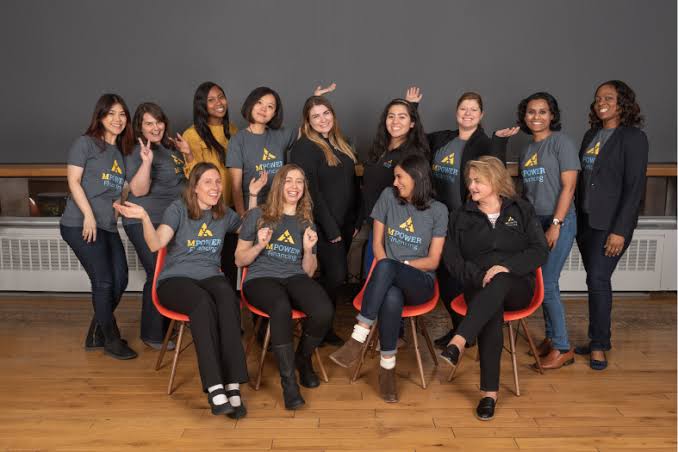
MPOWER Women in STEM Scholarship
3. How to Find and Win Situational Scholarships
Because these scholarships are often highly niche, the competition is frequently lower than it is for massive, general-knowledge merit awards.
How to Search Strategically
Look for Your "Unique" Mix: Don't just search for "scholarships." Search for your specific attributes. For example, search for "scholarship for [your hobby] + [your home state]" or "[your intended major] + [your cultural background]."
Check the "Parents' Connection" Route: Many students overlook scholarships offered by their parents' employers, unions, or professional organizations.
Use Specialized Aggregators: Tools like Scholly, CollegeData, or university-specific scholarship portals allow you to filter by these specific life situations.
How to Win
Own Your Narrative: Situational scholarships want to know you. Don't try to sound like a generic "perfect student." If you are applying for a scholarship for left-handed students or students who love books, lean into that. Be authentic, bold, and personal.
Align with the Mission: Every scholarship has a "why." Research the organization behind the grant. Are they trying to promote diversity? Are they trying to foster innovation in a specific field? Tailor your essay to show how your situation makes you the perfect ambassador for their values.
Provide Evidence: If your situation involves hardship or specific circumstances, be prepared to provide documentation (e.g., medical records, financial statements, or letters of support).
Always follow the application instructions exactly.
4. Safety Warning: The "Never Pay" Rule
Regardless of how specific or "unique" a scholarship sounds, you should never have to pay to apply. Legitimate scholarship providers are funded by endowments, governments, or companies. If you are asked to pay an "application fee," "processing fee," or "registration fee," it is almost certainly a scam.
- Apply the STAR Method: Structure your situational essays or interview responses by outlining the Situation, Task, Action, and Result. This prevents generic answers and keeps your narrative focused on problem-solving.
- Emphasize Impact: Do not just list your life events or financial hurdles; explain exactly how overcoming these situations changed your trajectory, benefited your community, and fueled your career goals.
- Check Mission Alignment: Ensure your specific personal situation aligns with the core focus of the sponsor's award (e.g., first-generation students, women in STEM, or community-based service).
Mpower Mba Scholarship International Students
New International Scholarship Opportunities
Monthly
LINK https://www.internationalscholarships.com/
Related Posts
How To Get An International Scholarship...
13th June, 2026
Scholarships for International Students...
13th June, 2026
School Specific Scholarships...
13th June, 2026

Special Interest Scholarships...
13th June, 2026
Athletic Scholarship...
13th June, 2026
Academic Scholarships...
13th June, 2026

Study a Bachelor’s in the USA Scholarship...
13th June, 2026
The Marten Bequest Travelling Scholarship...
13th June, 2026
International Scholarship for Excellence...
13th June, 2026
Australian Institute Research Grant...
13th June, 2026

Cystic Fibrosis Foundation Clinical Fellowships Program...
13th June, 2026
MPOWER Women in STEM Scholarship...
13th June, 2026
Categories
Blog Posts






Breaking News
We usually sends BREAKING News to students of National Open University, NOUN. Not to miss any of our latest updates, enter your email here